
Croatians love wine, though they rarely make a ceremony of it. In local wine bars in Croatia, a glass is poured generously, prices stay reasonable and the conversation matters more than the label. Knowing what to order and how evenings unfold helps you feel at home.
Most bars list wines by the decilitre, so ask for one or two dl. On the coast, try plašac, pošip or malvazija. Inland and in Zagreb, graševina and the light whites of Plešivica are everyday favourites. Staff are usually glad to suggest something from a nearby family winery.
Locals often mix wine with water, and nobody sees it as a crime. A gemišt is white wine with sparkling water, popular in Zagreb on hot afternoons. Down south, bevanda is red wine with still water, served with lunch.
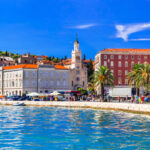
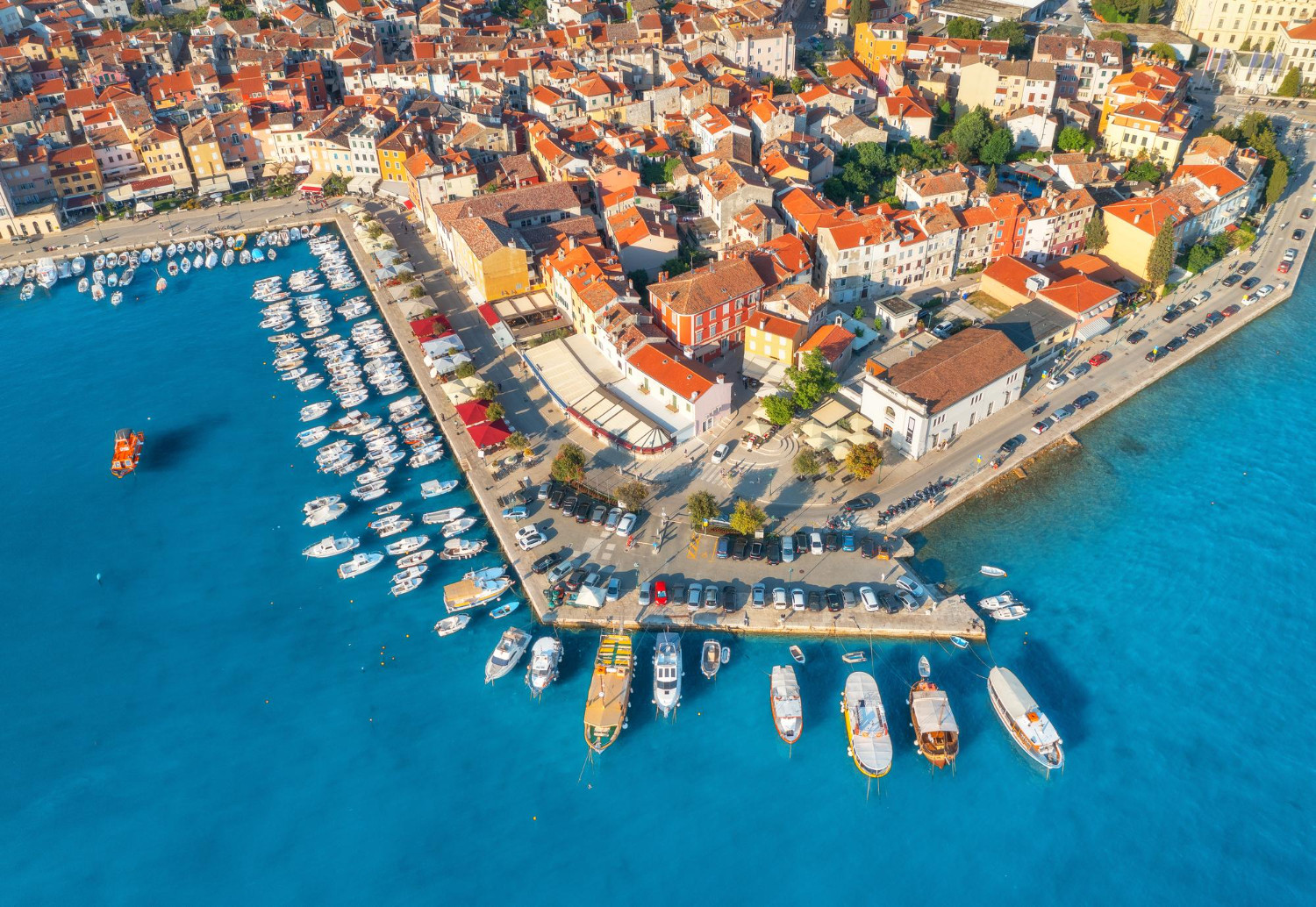
Zagreb has a lively scene around the centre, with small bars pouring Croatian wines only. In Split, Zadar and Rovinj, look for spots inside the old town walls rather than along the main promenade. Many also sell bottles to take away.
Plavac mali is the king of Dalmatian reds, grown on the steep slopes of Pelješac in places like Dingač and Postup. In Istria, teran gives a deep, tart red that pairs well with pršut. Slavonia and the Danube region produce frankovka, a lighter red for everyday meals.
A small group of Croatian winemakers age white grapes on their skins, sometimes in clay amphorae buried in the ground. These orange wines come mostly from Istria. Wine bars in Zagreb often keep one or two on the list for curious guests.
Prices tend to be friendlier inland and in Zagreb than in popular coastal towns during August. A glass from a local family producer usually costs less than an imported label. Ask about the domaće vino, the house wine, before you decide.
Croatian evenings start late. Wine bars get busy after nine, especially on Fridays, while early hours belong to people stopping by after work. In summer, plenty of places on the coast stay open past midnight.
Every Dalmatian island has its own grape. Korčula is known for grk from Lumbarda and pošip from Smokvica, Vis for vugava, Hvar for bogdanjuša. Ordering the wine of the island you are on is a small gesture locals notice.
Many wine producers in Istria also press their own olive oil. Bars sometimes pour a spoonful with bread so you can taste the peppery finish of a fresh harvest. Locals judge a good oil by the slight sting at the back of the throat.
Behind most bars stands a row of homemade spirits. Travarica is flavoured with herbs, biska from Istria uses mistletoe, orahovac is made from green walnuts. They are sipped slowly from small glasses, never downed in one go.
Martinje, the feast of Saint Martin on 11 November, is when new wine is blessed across continental Croatia. Villages in Zagorje and Plešivica open their cellars, often with roast goose and mlinci. On the coast, smaller harvest celebrations take place in September.
Shops called vinoteka sell bottles from small producers that rarely leave the country. Staff will wrap them for the suitcase if asked. Check airline rules for liquids in hand luggage before you pack.
Strong sun and generous pours make a quick combination. Locals drink water with wine and always eat something alongside. Taxis are easy to find in larger towns, while drink driving limits in Croatia are strict.
Ask for a plate of pršut, Pag cheese, olives and homemade bread. Some bars serve anchovies or octopus salad. Sharing a board between friends is the normal way to drink in Croatia.
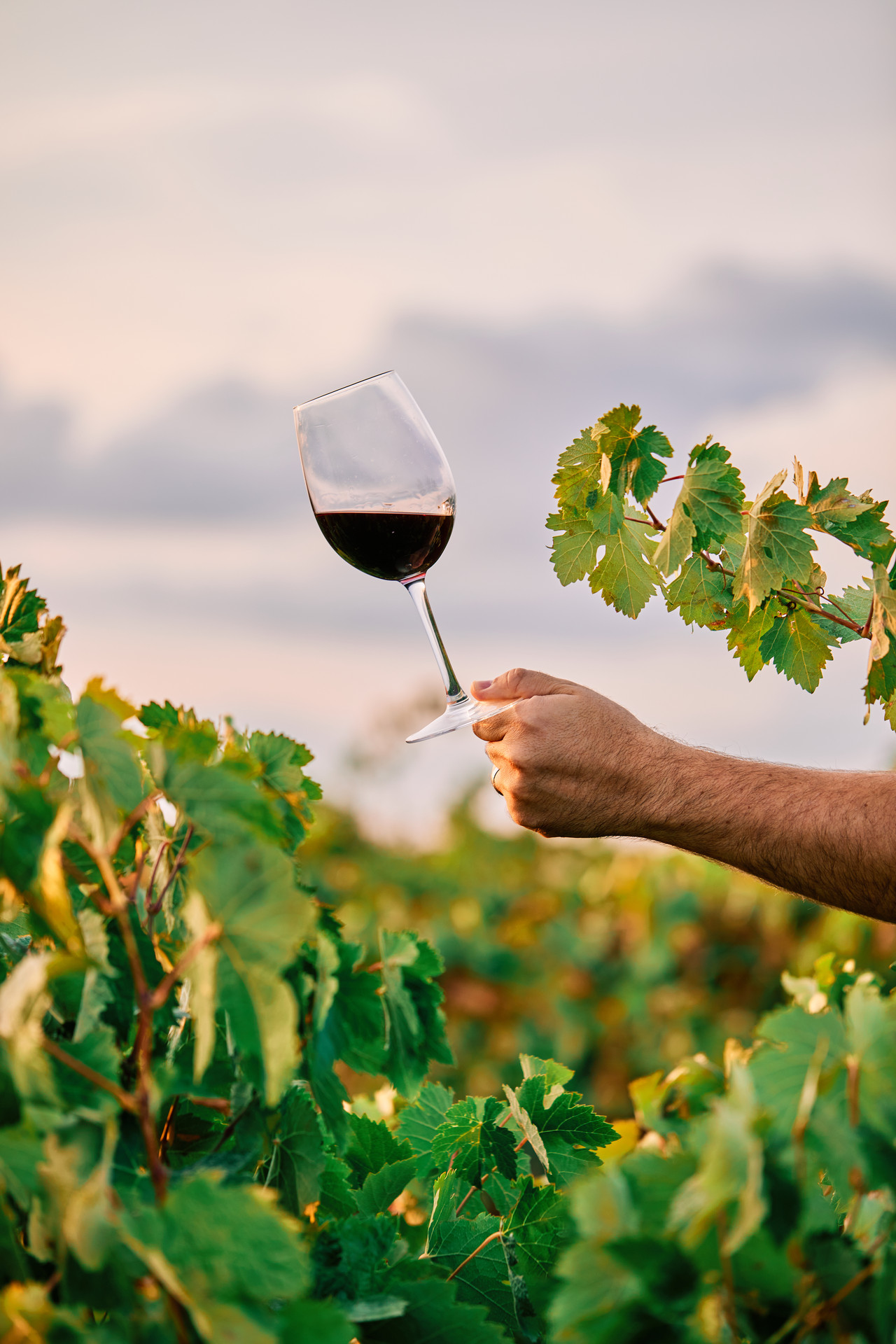
Once you find a favourite grape, visit the people who grow it. You can browse wine tastings and distillery tours in Croatia and spend an afternoon in a real cellar.
Say živjeli and look people in the eye when glasses touch. Drinking slowly is normal, since locals stretch one glass over a long talk. Rakija may appear at the end of the night, and refusing politely is fine.