
Foreign visitors usually book apartments in famous towns, yet Croatians themselves often holiday in very different ways. Many families own a small house on an island where grandparents were born, others spend each summer at one campsite next to familiar faces, and city dwellers escape to wooden cottages by rivers whenever the weekend forecast looks good. Copying these habits leads you to quieter corners, better prices and a slice of everyday life that hotels rarely offer. This is where locals stay in Croatia, and how you can join them.
The rhythm is simple. Locals avoid the busiest weeks when possible, choose spots where they can cook and swim without a car, and return to one favorite spot again and again, building friendships with owners. They value a shady terrace and proximity to a bakery more than design or star ratings.
Below are the main types of accommodation Croatians choose for their holidays, from the coast to the green interior.
Timing is part of the local secret. Croatians take their longest holidays in high summer as everyone else does, but many prefer the first two weeks of September, when the sea is still warm, children are back at school and rates drop. Long weekends at Easter, the first of May and Corpus Christi are equally popular, so reserve well ahead for those dates.
Camping in Croatia has a long tradition. Istria alone has some of the largest campsites on the Mediterranean, but locals often favor smaller family run sites on islands such as Krk, Cres, Lošinj, Brač or Pelješac. Pitches under pine trees, a short stroll to the sea, a little shop with fresh bread at dawn and evening chats around the barbecue define the experience.
Modern campsites also rent mobile homes and glamping tents for those who do not travel with gear. Rates rise in high season, yet they stay lower than most apartments, especially for families. Reserve shaded pitches in spring for the peak months, and remember that wild camping is not permitted in Croatia.
Naturist campsites have deep roots here too, dating back to the early twentieth century on the island of Rab. Several organized naturist resorts operate in Istria and Kvarner, popular with families from Germany, Austria and the Netherlands as well as with Croatians.
Camping etiquette is relaxed but real. Keep music low after ten in the evening, respect the quiet hours after lunch and leave the sanitary blocks clean. Neighbors will happily lend you a bottle opener or a corkscrew, and by the third day you might be invited for grilled fish.
Food at campsites is part of the fun. Many campgrounds host restaurants serving ćevapi, pizza and seafood at fair prices, and some organize weekly picnics or folklore nights. Fishermen sometimes sell their catch directly on the beach in the morning, so ask at reception about the schedule.
Almost every Croatian family has, or dreams of having, a vikendica, a weekend cottage. Some sit in vineyards in Zagorje or Plešivica, others in forests of Gorski kotar or on the banks of a river. Many owners let them out when they are not using them, giving travelers a rustic, authentic base with a garden, a grill and space for children to run.
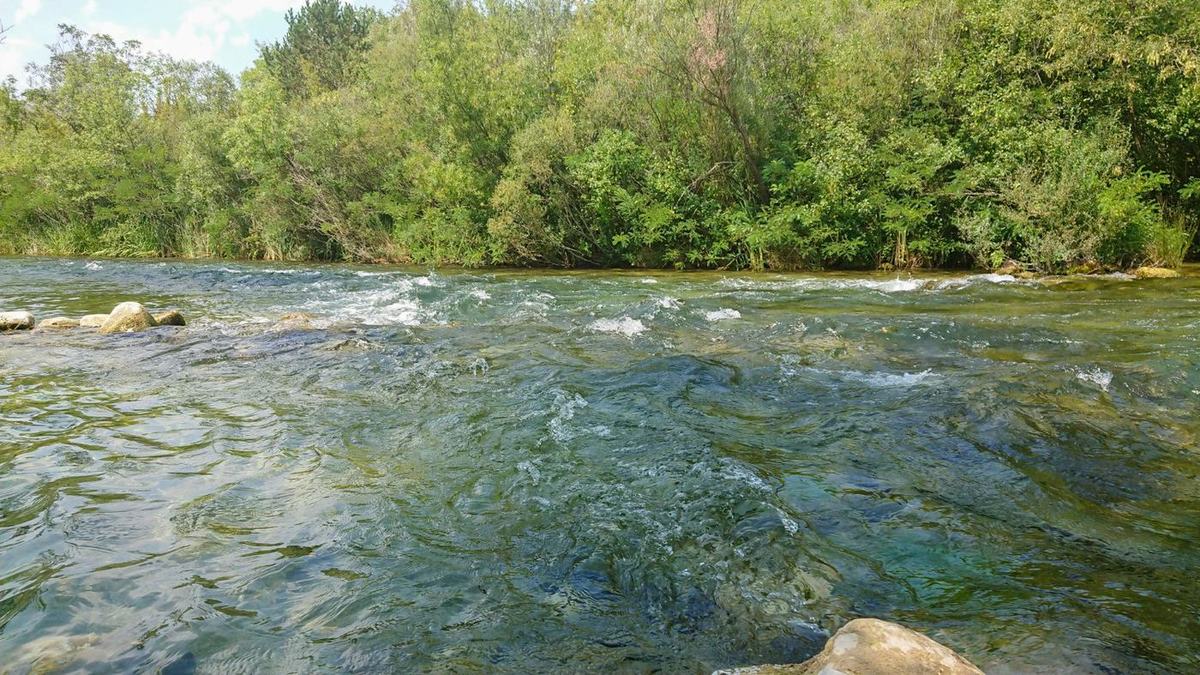
River houses are especially loved in summer. Along the Kupa, the Mrežnica and the Korana, near Karlovac, small wooden cottages stand right on the water. Days start with a swim in clear river pools, afternoons are spent on inflatable boats or canoes, and evenings end with grilled meat and cold beer on the deck. Temperatures in the pools are pleasant in midsummer, while the trees keep houses cool.
In Gorski kotar, log cabins around Fužine, Lokve and Delnice provide the mountain version of the same idea, ideal for hikers, mushroom pickers and families who favor forest air over sea salt.
Rafting outfitters and kayak rentals operate on these rivers, and the town of Slunj with the water mills of Rastoke is a short drive away. In autumn the colors along the banks are spectacular, and many cottages have wood stoves for chilly nights.
Families from Zagreb have spent summers on these rivers for generations, and many cottages still carry handwritten signs with the owner’s phone number. Calling directly usually gets you a lower rate and a warm welcome, sometimes with a bag of homegrown tomatoes waiting on the table.
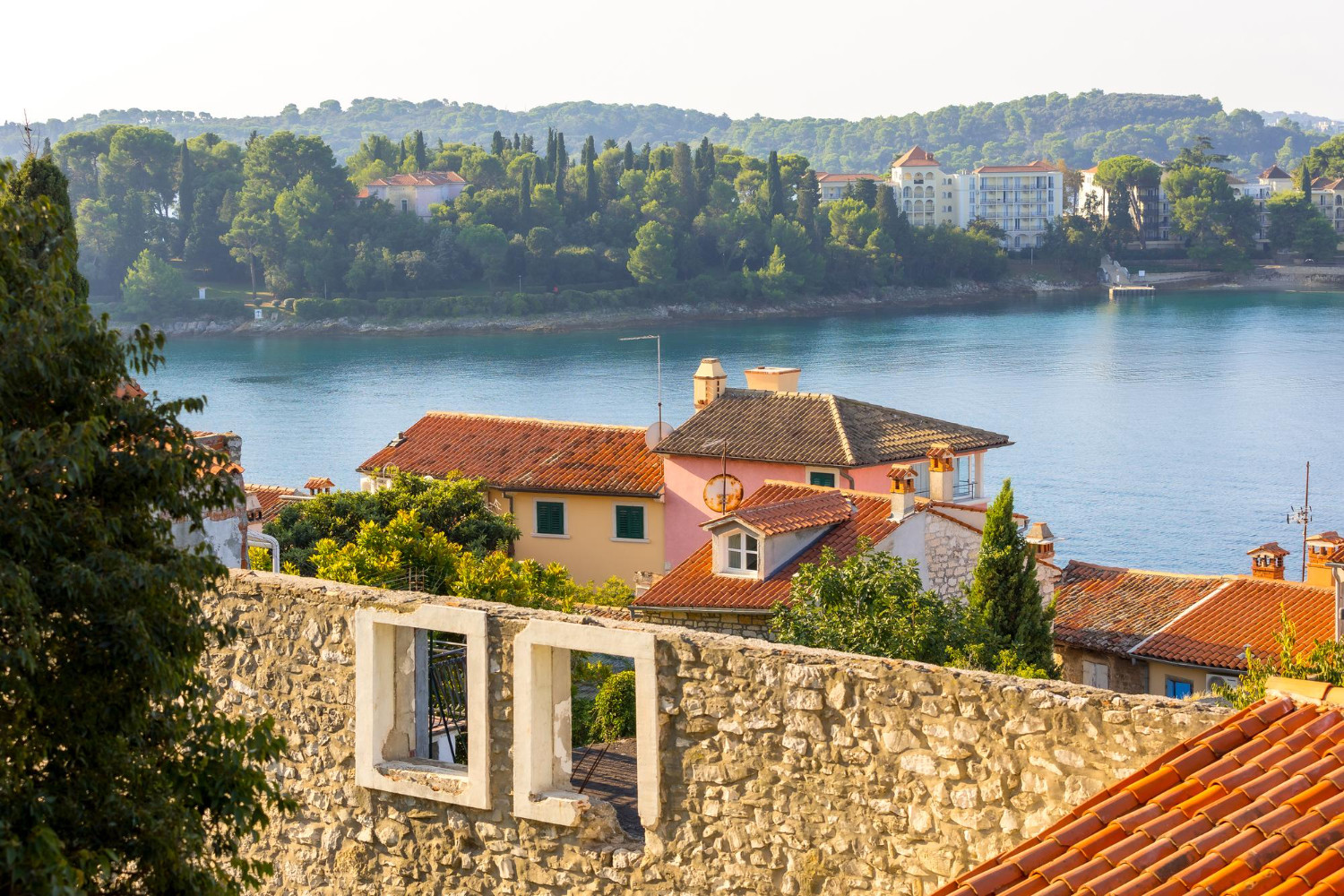
On the islands, many families restored the stone houses of their ancestors and let them to guests in July and August. Staying in such a home means thick walls, a konoba cellar for wine, a fig tree in the yard and neighbors who will greet you on your way to the beach. These homes rarely appear at the top of booking sites, so search with village names rather than famous towns, and ask local tourist offices for lists of private hosts.
Family guesthouses inland work the same way. In Slavonia, Lika or Zagorje, hosts cook dinners, offer homemade brandy and share stories about the region. One countryside stay in Slavonia combines rooms with lazy evenings of homemade pasta and local wine, an atmosphere many locals know from their family gatherings. You can see this Slavonian countryside stay with pasta and wine if you want to try it.
Whichever option you pick, behave like a local, and you will be treated like one. Shop at the green market, learn a few Croatian words, greet neighbors and leave the place as tidy as you found it. For more insider ideas, read our guide to secret beaches in Croatia, find out where locals eat in Croatia and explore the Neighborhood Guides section.