
Ask a Croatian where to eat and you will rarely be sent to the place with the biggest menu board on the promenade. Locals choose small konobas, neighbourhood bakeries and market stalls where prices are fair and food tastes like home. Finding them takes a little attention, and the reward is worth it.
In Zagreb and inland towns, many workers eat gableci, a hearty daily lunch served from late morning. Think beans with sausage, stuffed peppers or goulash, written by hand on a board by the door. It is filling, cheap and exactly what a Croatian grandmother would cook.
A burek with cheese or meat, a warm kifla or a slice of pita from the corner pekara is the classic local breakfast. Pair it with drinking yogurt. Most bakeries open around six, and the best ones sell out of fresh pastry before ten.
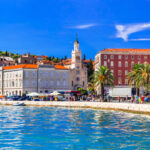
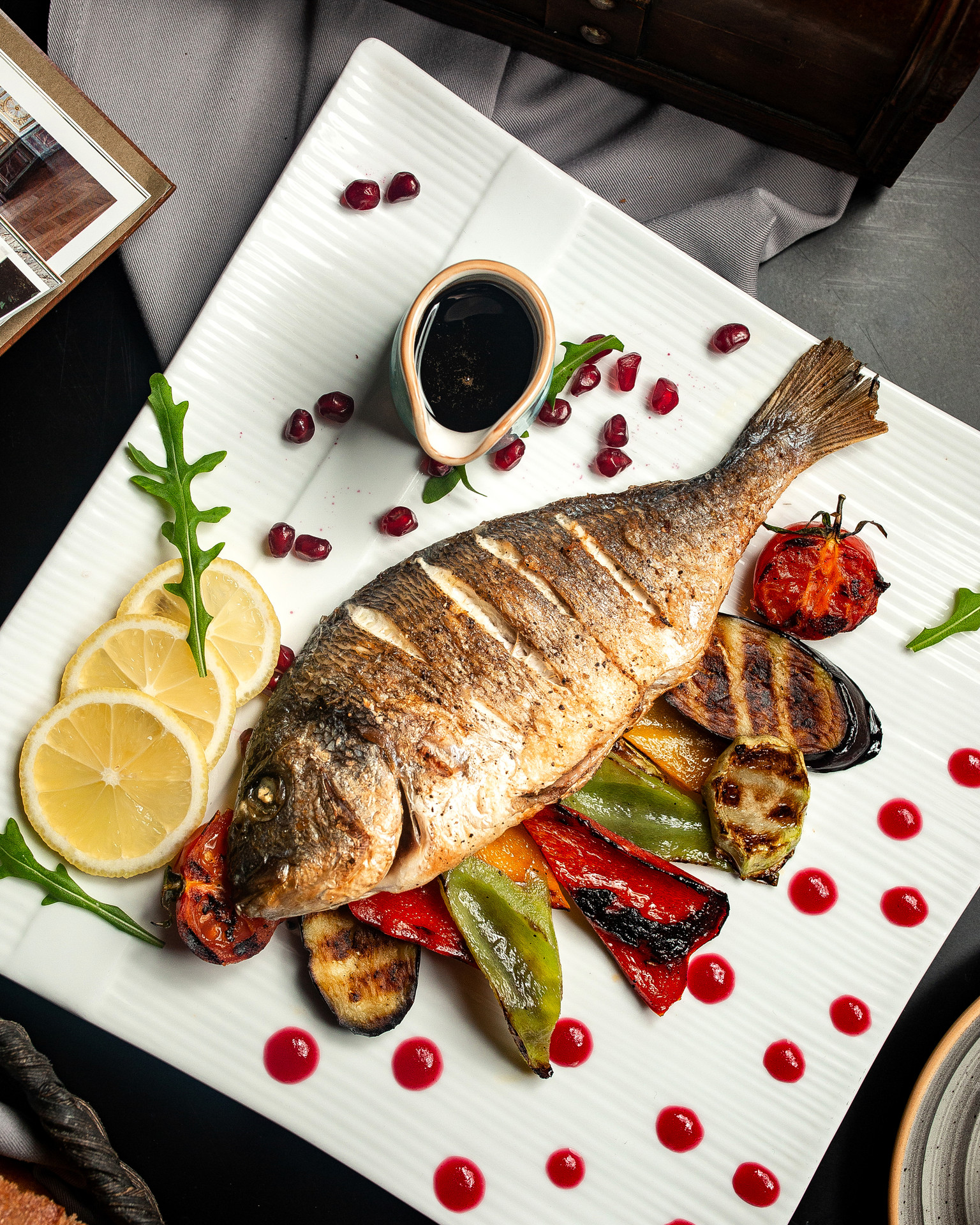
On the coast, walk two streets back from the waterfront. Family konobas with a handwritten menu, a few tables under a vine and fish of the day sold by weight are usually the honest choice. Ask what came in that morning and order brudet or grilled sardines.
Lamb, veal or octopus slow cooked under an iron bell covered with embers is called peka. Most konobas prepare it only on request, usually a day in advance, since it spends several hours on the hearth. Call or stop by the evening before. The wait pays off once the lid comes off at the table.
After lunch, Croatians drift to a slastičarnica for cake, ice cream or a slice of kremšnita. Samobor is famous for its custard slice, which is why people drive out from Zagreb on Sundays just to taste it. On the coast, look for rožata, a caramel custard from Dubrovnik that grandmothers still make for family celebrations.
When nobody feels like cooking, families head to a local roštilj for ćevapi, pljeskavica or grilled chicken. Portions arrive with fresh onion, ajvar and soft lepinja bread. These places look plain from the street. Service is fast, prices stay low, so tables are full late into the evening.
In Istria, Zagorje and Slavonia, family farms open their dining rooms under the name agroturizam. Almost everything on the plate comes from their own land, from homemade fuži pasta to cured sausages and wine from the barrel. Opening days vary. A phone call before the drive saves a wasted trip.
A morning kava is a social event in Croatia. Many café bars serve no food at all, so people often bring a pastry from the bakery next door. Sitting over one cup for an hour is completely normal. Waiters will not hurry you along.

In Dalmatia and Istria, workers stop around ten or eleven for marenda, a cooked meal between breakfast and lunch. Small taverns near ports serve tripe, fish stew or pasta with meat sauce at modest prices. If you spot a chalkboard with the word marenda, step inside.
Croatian kitchens follow the calendar closely. Spring brings wild asparagus with eggs, while autumn means truffles in Istria and chestnuts on the Kvarner coast. Salt cod known as bakalar appears on coastal tables on Christmas Eve and Good Friday.
Menus in family places are short on purpose. When fish is priced per kilogram, the waiter usually brings the catch over so you can choose one yourself. Side dishes such as blitva, chard cooked with potatoes and olive oil, are ordered separately. House wine comes by the litre or half litre.
Zagreb loves štrukli, cheese filled dough that is boiled or baked with cream. Around Omiš, women from the Poljica villages still bake soparnik, a thin pie of chard, garlic and olive oil. In December, every Advent market fries small doughnuts called fritule.
Student canteens, bistros for workers and bakeries keep costs low in every Croatian city. Plenty of restaurants offer a fixed daily menu with soup, main course and salad at lunchtime only. Ask for the dnevni meni before ordering from the regular card.
Green markets in Split, Rijeka and Zagreb are where locals buy figs, cheese, cured ham and seasonal vegetables. Around the Dolac market, small canteens cook with the same produce. Fish markets open early and close before noon, so go before the heat.
The quickest way to understand Croatian home cooking is to join it. You can book local food experiences in Croatia, from organic kitchens to mornings spent harvesting salt by the sea.
Eat lunch as the main meal, share plates and never rush the coffee afterwards. Tipping around ten percent is appreciated for good service. If a table of fishermen or workers is full at noon, you have found the right place.