
Every coastal town in Croatia has a beach for visitors and another one where families from the neighbourhood actually swim. These secret beaches in Croatia are rarely signposted, and most need a short walk, a bumpy road or a small boat. Here is how locals find them and what to bring.
Along Istria, Dalmatia and the Kvarner coast, narrow paths lead through pine woods to flat rocks and pebble coves. On the Lošinj and Cres islands, as well as around Rovinj and the Pelješac peninsula, a twenty minute walk is often enough to leave the crowds behind.
Locals swim before nine in the morning or after five in the afternoon, when the sun is softer and the water still warm. Midday on a hidden beach can be harsh, since there is usually no shade, café or lifeguard.
Bring water shoes for sea urchins, enough drinking water, a snack and a bag for your rubbish. Mobile signal can be weak, so download offline maps. Many quiet coves have no toilet facilities, which is part of why they stay quiet.
Locals check the wind as carefully as the forecast. The bura blows from the north east, clears the sky and leaves the sea cold and choppy on exposed shores. Jugo comes from the south with waves and heavy air. On a bura day pick a cove facing south west, while jugo sends people to the northern side of an island.
Most of the Croatian coast is rock and pebble, with very little sand. Locals lay a towel on smooth limestone slabs that stay warm long after sunset. A foam mat makes long afternoons comfortable. The water off the rocks gets deep quickly, so small children need arm bands.
Coves where the forest runs right down to the water give natural shade, rare on the Adriatic. Around Brela on the Makarska Riviera, families spread out under the trees after a swim. The smell of resin on a hot afternoon belongs to every Croatian childhood summer.
You do not need an island to find calm water. Split residents walk to the western side of Marjan, where small coves such as Kašjuni sit below the forest. In Rijeka, people swim from the rocks at Kantrida and Pećine. Outside July and August these spots feel almost private.
The Adriatic warms slowly. Locals start swimming in late May, though the water is at its best in August and September. By late September the crowds are gone, yet the sea keeps its summer warmth for a few more weeks. Northern Istria cools down faster than the far south around Dubrovnik.
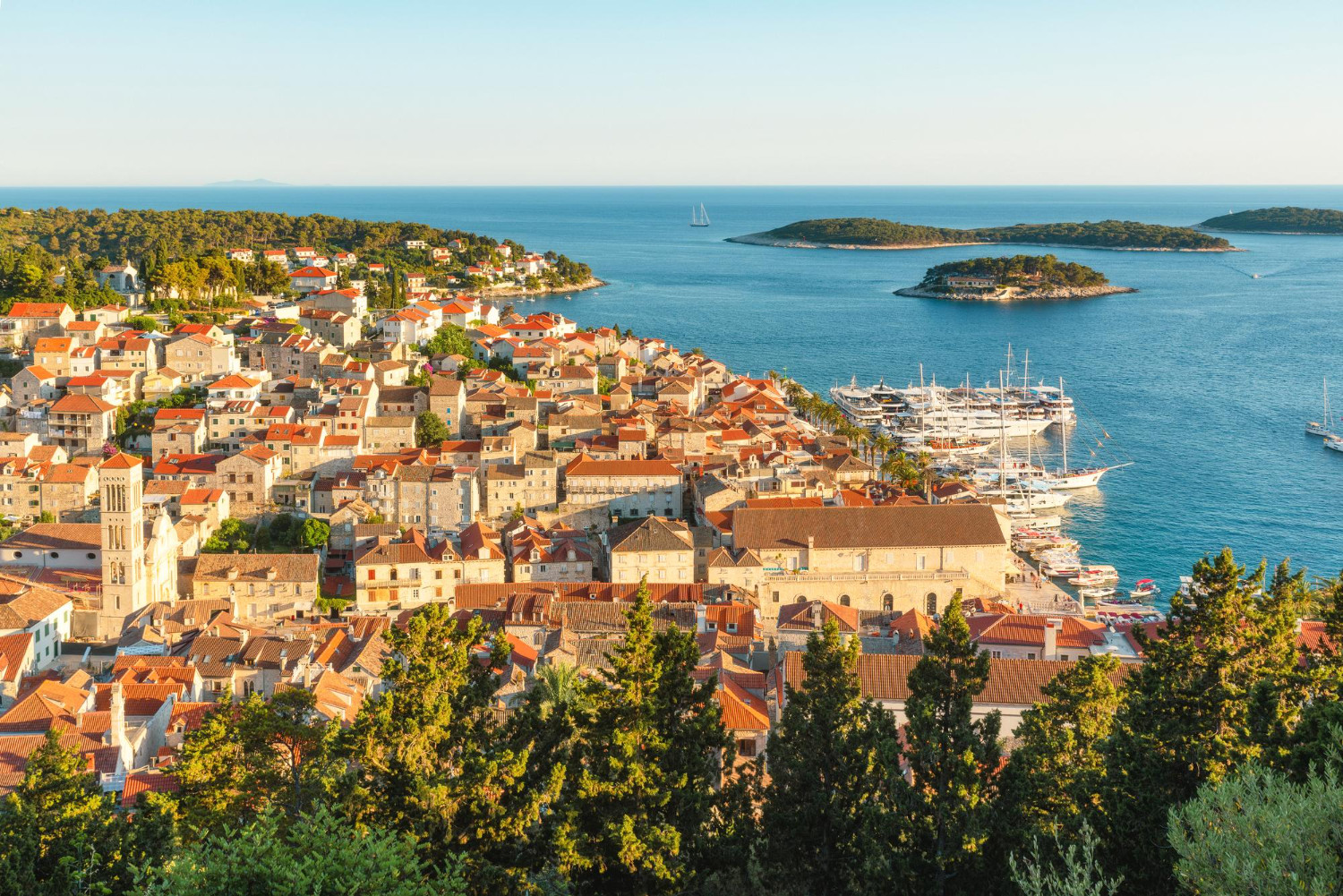
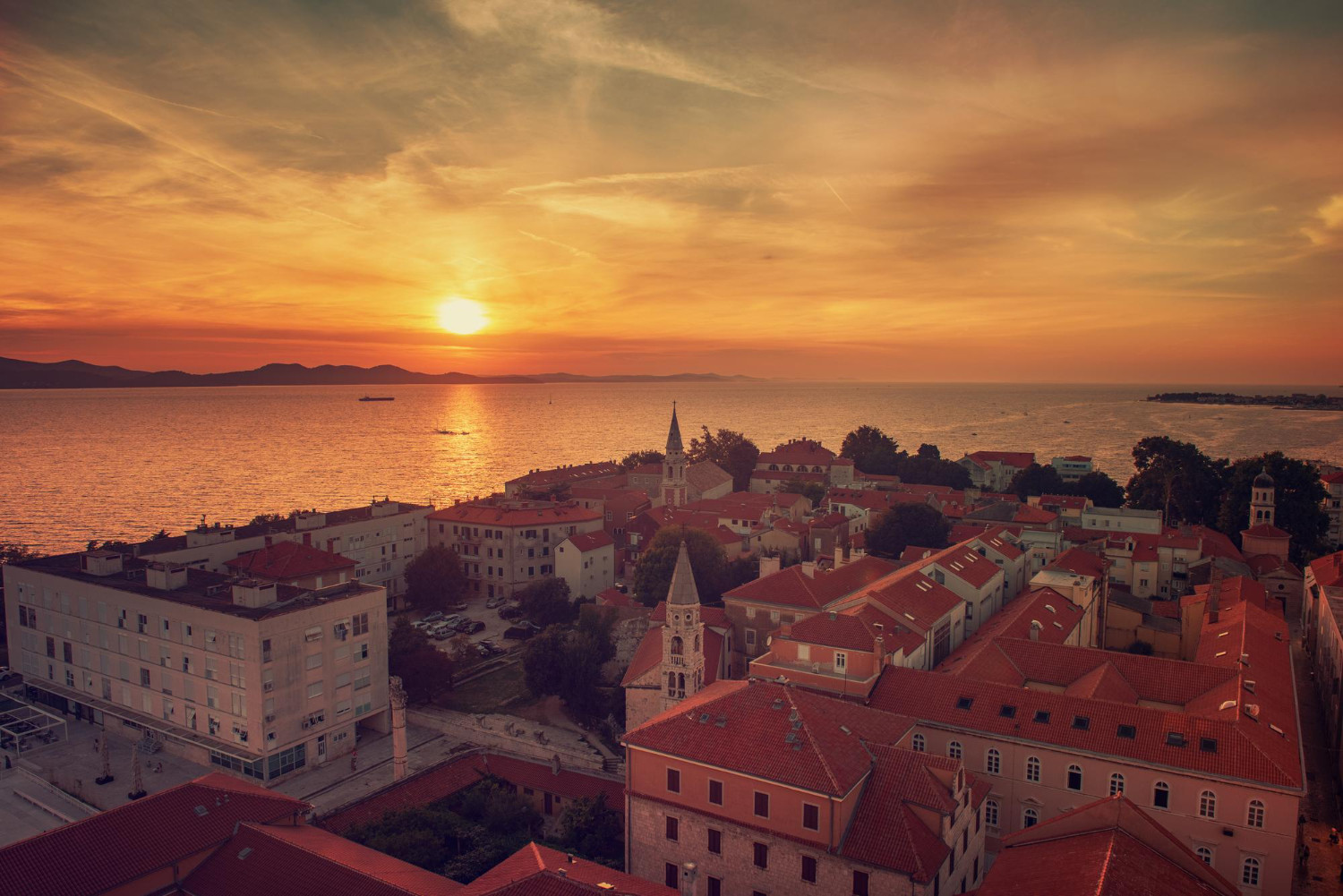
Car free islands like Silba and Zlarin have coves you can walk to in minutes from the harbour. Without traffic, the pace drops immediately. Ferries and catamarans run less often outside summer. Check the timetable before planning the return.
In Hvar town, Makarska and around Trogir, small taxi boats leave from the harbour every morning in summer. Captains drop you at a cove and come back at an agreed hour. Settle the price and pick up time before you board.
Visibility in the Adriatic is often excellent, especially along rocky shores away from river mouths. A simple snorkelling mask reveals fish, starfish and seagrass meadows a few metres from the edge. Pack one even for a short swim.
Roads to remote beaches are narrow and often end in a small dirt clearing. Park so others can still turn around. Field gates and olive groves must stay clear, since farmers need access every day.
Many Croatians take a last dip after dinner, when the sea is calm and the beach is empty. The water often feels warmer than the air at that hour. Bring a small torch for the path back, as most coves have no lighting.
Some of the most beautiful spots, including caves and coves on Vis, Brač and the Pakleni islands, are easiest to reach by water. You can look at sea kayaking and boat tours along the Croatian coast to paddle to beaches no road reaches.
Locals keep these spots clean and calm, and they expect visitors to do the same. Skip loud music, do not build stone towers and leave shells and stones where they are. Nudist coves are common on the coast, so check before you settle down.
Fishermen, bakery staff and your apartment host know the best coves nearby. A friendly question at the market often gets you a better tip than any travel app.