
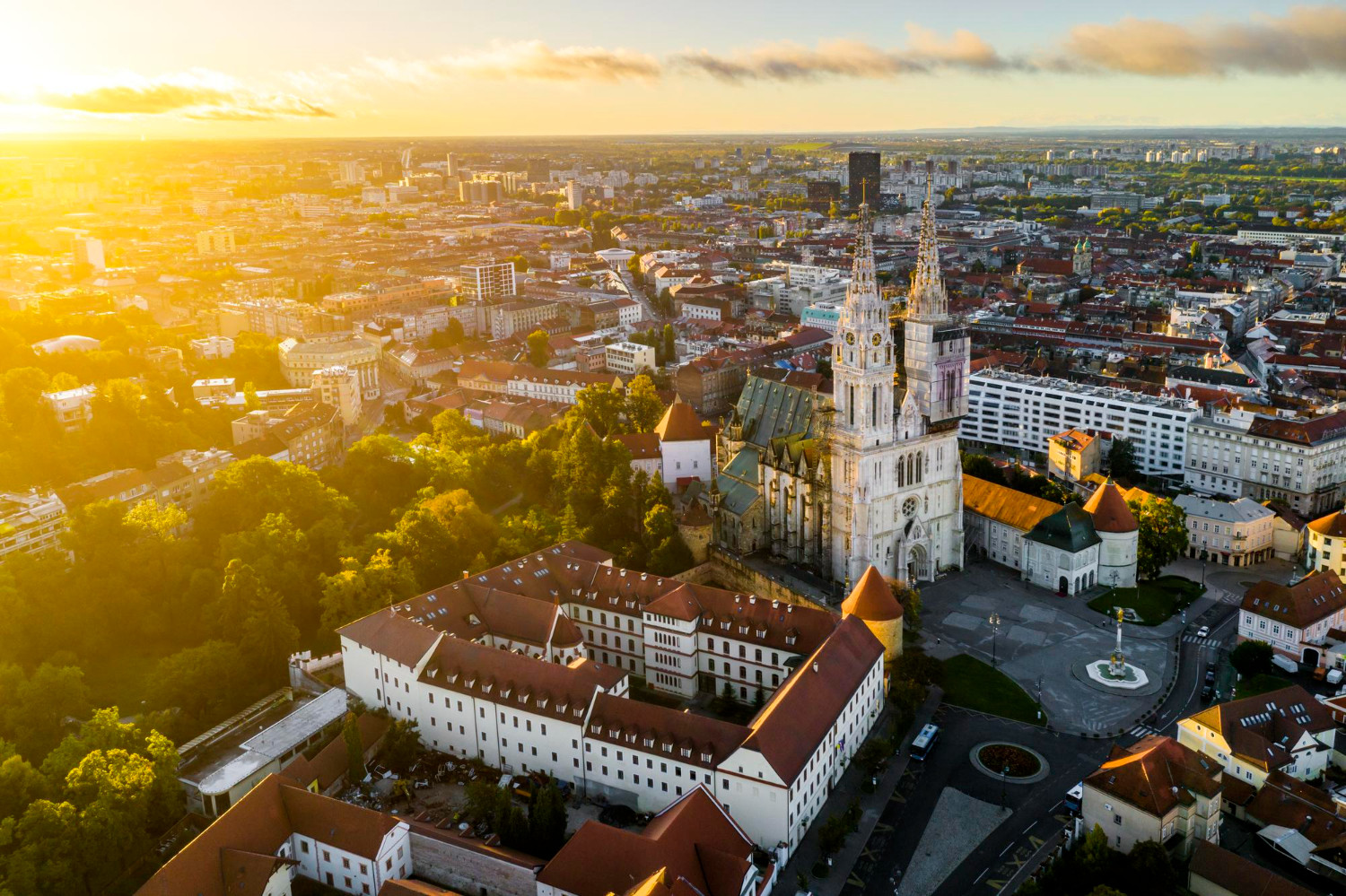
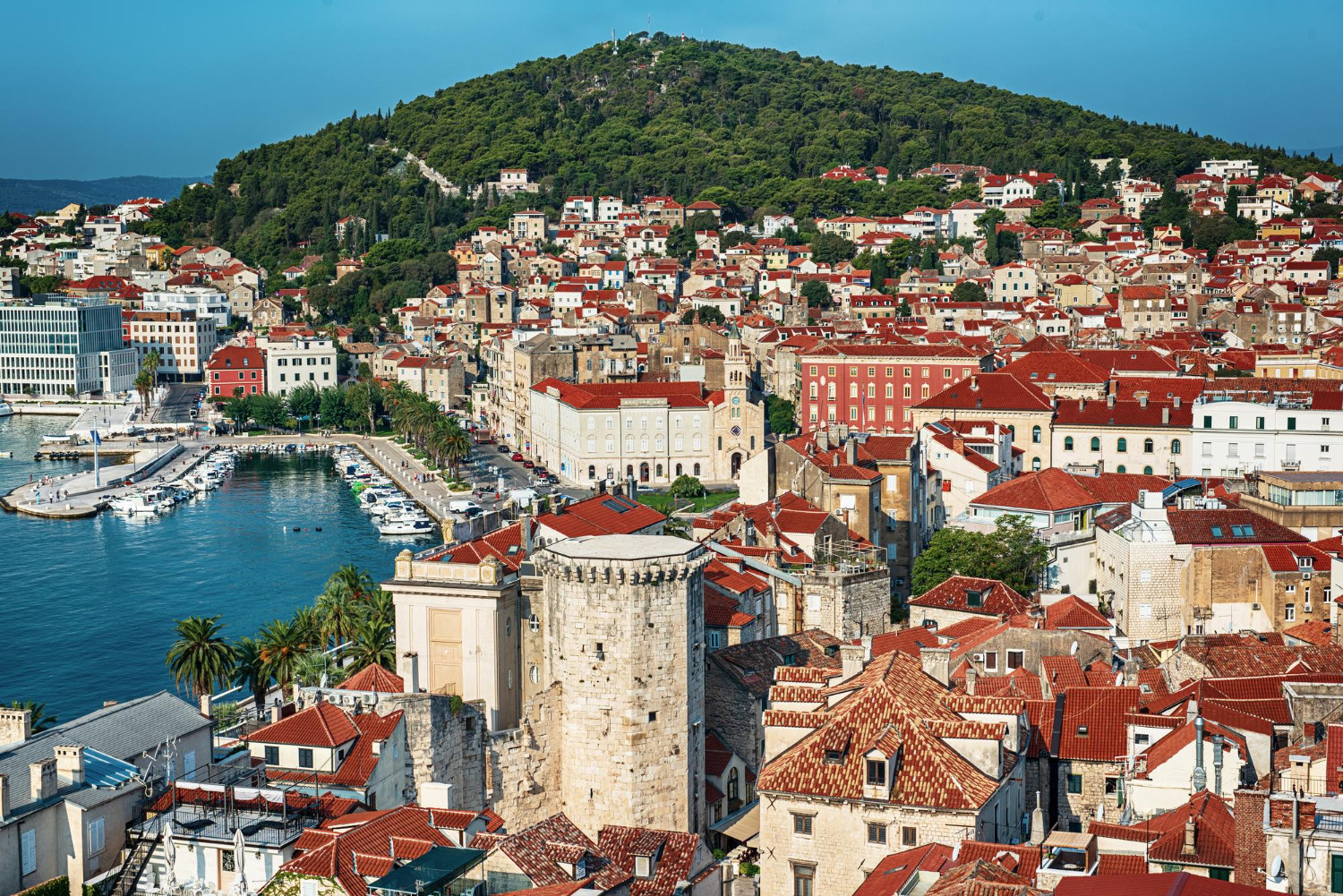
Most visitors see the main square, the cathedral and the promenade, then leave. Yet the real character of Zagreb and Split lives in their neighbourhoods, where people shop, drink coffee and argue about football. Spending an afternoon in these districts shows a side of Croatian city life that guidebooks often skip.
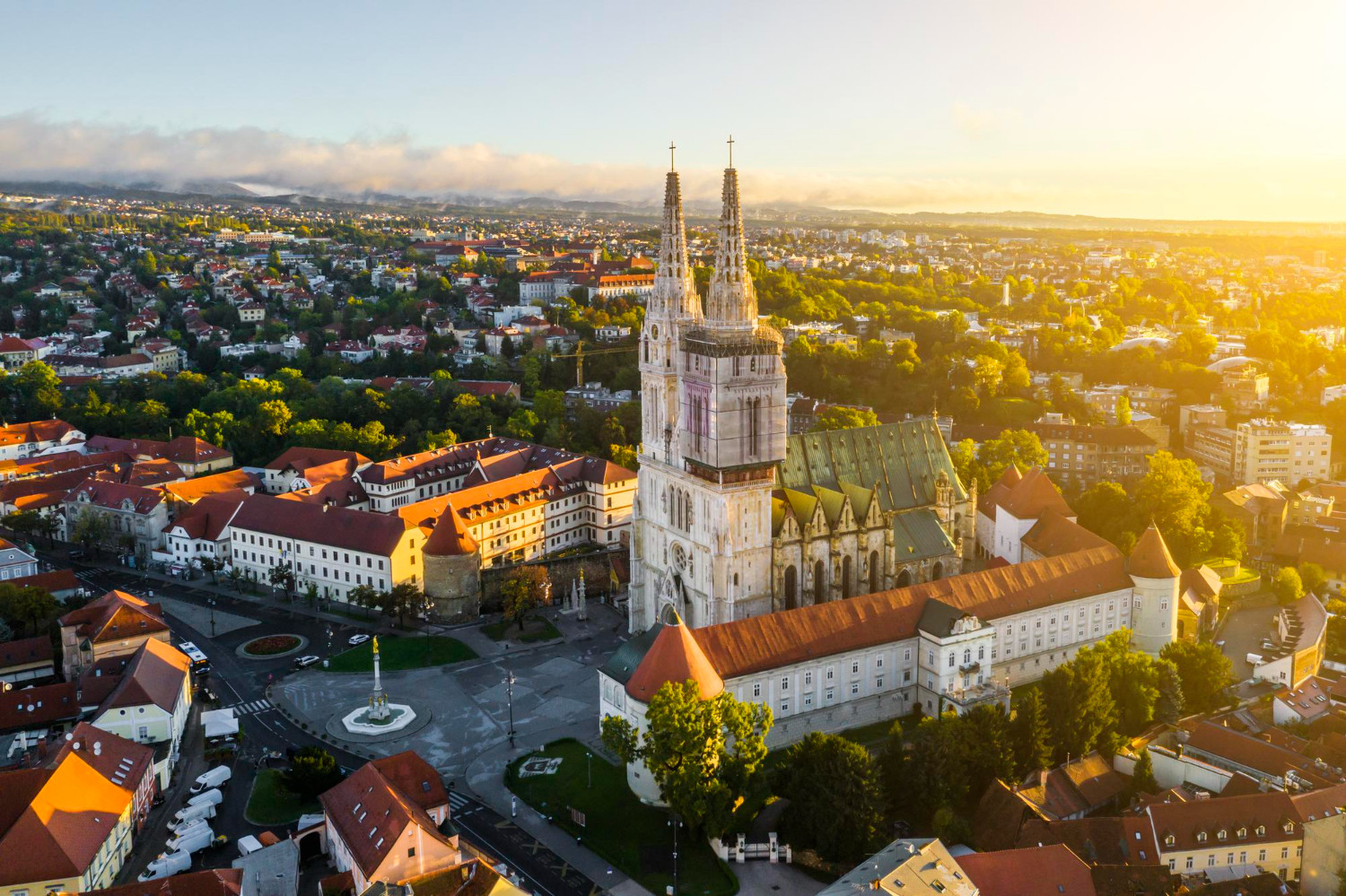
The Upper Town, or Gornji Grad, is quiet in the morning, with gas lamps, small squares and the noon cannon fired from Lotrščak Tower. Walk down to Tkalčićeva Street in the evening, when its cafés fill with students and office workers.
West of the centre, Trešnjevka has its own market, simple bistros and long avenues of socialist era buildings. It feels lived in rather than polished. Locals buy cheese and cream from village women here, then sit down for a coffee that can last an hour.
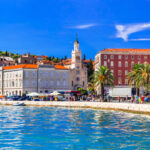
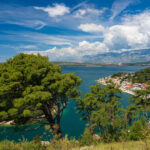
Just behind the Riva, the stone lanes of Veli Varoš climb towards Marjan Hill. Fishermen and farmers once lived here, and small konobas still serve grilled fish under the vines. From the top, a path leads into the pine forest of Marjan, where Split families walk on Sundays.
Locals jog, walk dogs and push prams through Maksimir Park, a large landscaped park with oak woods, lakes and the city zoo. The nearby stadium is home to Dinamo Zagreb, so match days fill the streets with blue scarves. Trams from the main square reach the park quickly.
Every Sunday morning, Britanski trg turns into an antiques market with old clocks, vinyl records, postcards and Yugoslav era badges. People from all over Zagreb come to browse, then move on to the surrounding cafés. It is one of the best places to see the city at leisure.
Donji Grad, the Lower Town, was planned in the nineteenth century around a chain of parks known as the Lenuci horseshoe. Zrinjevac, with its music pavilion and plane trees, hosts concerts and Advent stalls. Residents cross these squares daily on the way to work.
When it gets hot, Zagreb heads to Jarun, a lake in the south west of the city. People cycle around it, swim from gravel shores and stay at lakeside bars until late. Summer also brings big music festivals to its banks.
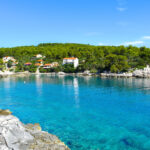
East of the old town, Split families gather at Bačvice, a shallow sandy beach where locals play picigin, a game of keeping a small ball in the air while standing in the water. Next door, Firule and Žnjan offer more space. In the evenings, terraces above the bay fill with young people.
Behind the eastern walls of Diocletian’s Palace, the districts of Lučac and Manuš still feel like old Split. Narrow streets, washing on lines and small grocery shops replace souvenir stands. Elderly neighbours chat from their windows while children play football in tiny squares.
Just outside the palace walls, the Pazar market opens early every day. Farmers from Kaštela and the Poljica villages sell figs, cherries, wild greens and homemade cheese. Shoppers compare prices loudly, then settle on a favourite stall they return to for years.
Saturday in Zagreb means the špica, the ritual of meeting friends for coffee in the centre around midday. Cafés on Bogovićeva Street and Preradović Square fill up, with people dressed a little better than on weekdays. Taking part costs only the price of a coffee.
Zagreb people often recommend a walk through Mirogoj, the main city cemetery designed by architect Hermann Bollé. Arcades covered with ivy, green domes and quiet alleys make it one of the calmest places in town. Bus 106 runs there from Kaptol.
After dinner, Split residents walk along the Riva, then slip into side streets for a drink. In summer, small squares in Varoš and Radunica stay lively until midnight. Respect the quiet hours, as families live above almost every bar.
Neighbourhood walks in Zagreb pair well with smaller museums. You can explore museums and galleries in Zagreb, including the City Museum in the Upper Town and Klovićevi Dvori Gallery.
Order a kava s mlijekom and stay a while, since nobody rushes a coffee in Croatia. Greet shopkeepers with dobar dan. On weekday mornings, markets are busiest and liveliest, which is the best moment to watch the city wake up.
Both cities are walkable, and Zagreb trams cover the wider districts cheaply. In Split, local buses run to Marjan and the beaches, though walking through Varoš is faster and far more pleasant.