
Plitvice and Krka are wonderful, but in summer they can feel like airports with waterfalls. Locals know dozens of quieter corners where the water is just as clear, the forests just as lush and the only queue is for the ice cream van at the village shop. These nature spots in Croatia rarely appear on postcards, which is exactly why families from Zagreb, Split and Rijeka keep returning to them.
Most are free or cost very little, reachable by car and perfect for a picnic, a swim and a slow walk. Facilities are basic, so bring water, snacks and a bag for your rubbish. Respect private land, stay on marked paths in protected areas and never jump into rivers without checking depth first.
This guide follows rivers, springs, lakes and wetlands, all of them reachable from at least one major city, from the green north to the karst south, with tips on when to go and what to combine them with.
Season matters. Spring brings full rivers and blooming fields, summer is for swimming, autumn paints the forests gold and winter, though quiet, reveals frozen waterfalls and misty wetlands for photographers. Each visit feels different, so many locals return several times a year.
The Mrežnica, south of Karlovac, is the river locals choose for summer swimming. Dozens of travertine waterfalls form natural pools where you can sit under cascades, jump from rocks or float on an inflatable ring. Small campsites and riverside guesthouses line its banks, and canoe rentals let you paddle from one pool to the next. Weekdays are blissfully quiet, while weekends fill with families from Zagreb. Outfitters around Duga Resa organize guided descents for beginners, a fun way to see the river from the water and reach pools that are hard to access on foot.
The Kupa marks the border with Slovenia for much of its length. Its upper course winds along a narrow valley in Gorski kotar, clean enough to drink from in places, and its source inside Risnjak National Park is a deep blue pool that seems lit from below. Further downstream, villages offer river beaches with shallow water ideal for children.
In Lika, the Gacka river runs crystal clear across meadows by Otočac. Its constant cold temperature makes it famous for trout fishing, and historic watermills on its banks have been restored. Cycling flat lanes beside the river at sunset is one of the most peaceful experiences in the region.
A practical tip for river days. Water shoes protect feet from slippery travertine and sharp stones, a dry bag keeps phones safe, and an early start secures a shady spot under the willows. Carry cash, because rural snack bars and parking attendants rarely take cards, and pack out all rubbish to keep these places clean.
Dalmatia hides spectacular water among dry hills. The source of the Cetina, near the village of Cetina at the foot of the Dinara mountain, is a karst spring so deep and blue that locals call it the eye of the earth. Ruins of a medieval church stand close by, and the reflection on a calm day is unforgettable. Further downstream, the Cetina passes Sinj and Trilj before carving a canyon toward Omiš, where rafting and canoeing are popular.
The Krupa river, a tributary of the Zrmanja in northern Dalmatia, tumbles over a series of travertine steps below a medieval monastery. An easy hike leads to Kudin most, an old stone bridge with many arches, a favorite lunch spot. Nearby, the Zrmanja itself offers calm canoe trips in a dramatic canyon, and you can arrange canoeing on the Zrmanja and other outdoor adventures with local outfitters who understand every bend.
Close to Biograd, Vransko lake is the largest natural lake in Croatia and a nature park. It is shallow and slightly salty, home to an important bird sanctuary in its northern part. Walking and cycling trails circle the shore, and observation points let you watch herons, coots and hundreds of migratory species.
Dalmatian rivers are cold even in August, often around fifteen degrees, which feels heavenly after a hot drive but takes your breath away at first. Locals warm up on the rocks between quick dips and finish with grilled lamb in a roadside tavern. October and April, when the slopes turn emerald after rain, are perfect for hiking along the canyons without the summer heat.
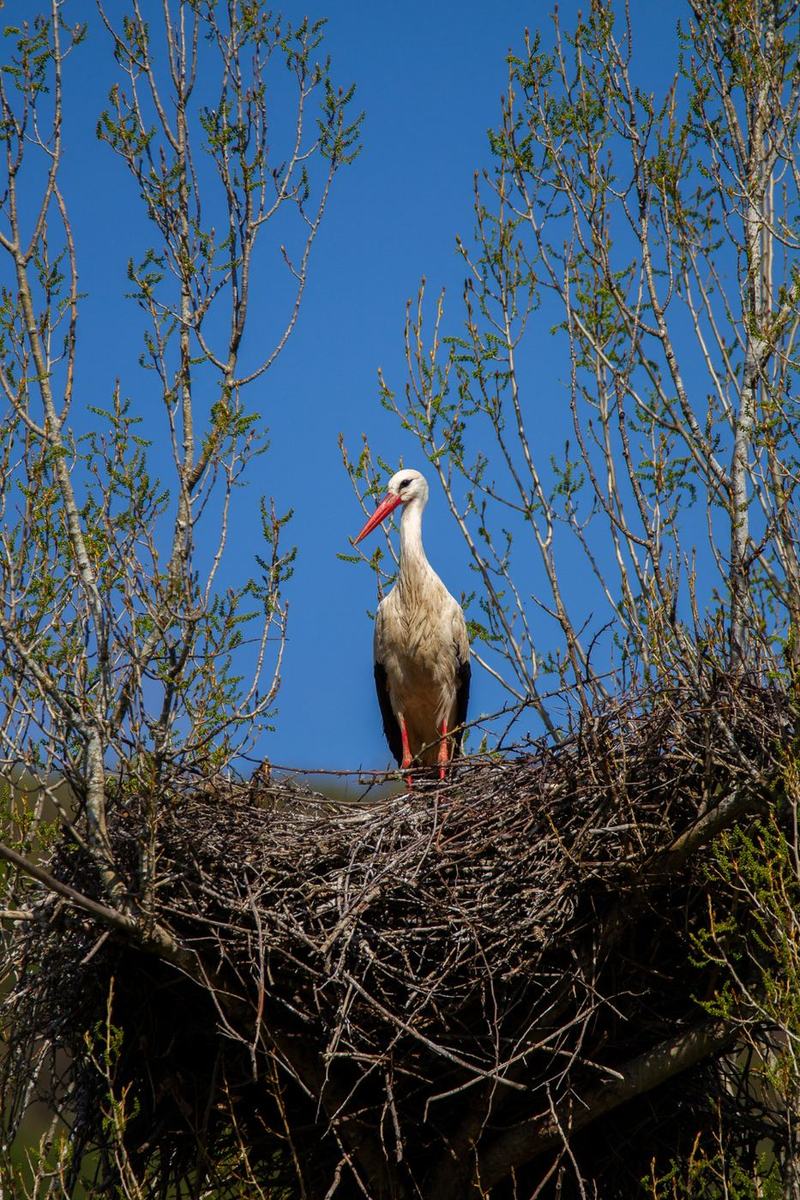
The east of Croatia offers a completely different kind of nature. Lonjsko polje Nature Park, beside the Sava river, is one of the largest protected floodplains in Europe. Wooden houses with flower filled porches line the villages, and in Čigoč nearly every roof has a stork nest, which earned it the title of a European stork village. Spring and early summer are the best time to see young birds, while October floods transform pastures into lakes.
Just outside Osijek, Kopački rit Nature Park protects one of the most important wetlands on the Danube. Boat trips glide down channels full of birds, deer and wild boar. Combine a visit with lunch in Baranja, where fish paprikaš is cooked over open fire and wine cellars are dug into loess slopes. The village of Zmajevac is a good place to start, with family taverns lining a lane of cellars.
These spots reward slow travel. Bring binoculars, a picnic blanket and patience, and talk to residents who usually know the best corners for swimming or birdwatching. For more insider ideas, read about secret beaches in Croatia, plan a short break with our guide to weekend escapes in Croatia and explore the Weekend Escapes section.