
Every country has rules that nobody writes down. In Croatia, they decide how long you sit over a coffee, when you should not call someone, the reason the market is busiest at seven and how to behave on a crowded ferry deck. Travelers who learn them quickly stop feeling like tourists and start being treated like guests. These practical tips from locals come from friends, hosts and neighbors who answered one question. What should newcomers know before arriving.
None of this is complicated. Most of it is about slowing your pace, greeting others and respecting daily rhythms that have existed for generations. Read it before the trip, and you will understand the waiter who never brings the bill unasked, and the customers who do not mind.
Croatians are generally warm, direct and curious. Prepare for questions about where you are from and what you think of their country, and answer honestly. A sincere compliment about the cooking or the sea opens doors faster than any guidebook.
Mornings start early. Bakeries open around six, markets bustle before eight and many offices begin work at seven, which leaves long afternoons free for the beach or relatives. Match that rhythm, and you will see streets at their most authentic moment, before tour groups arrive.
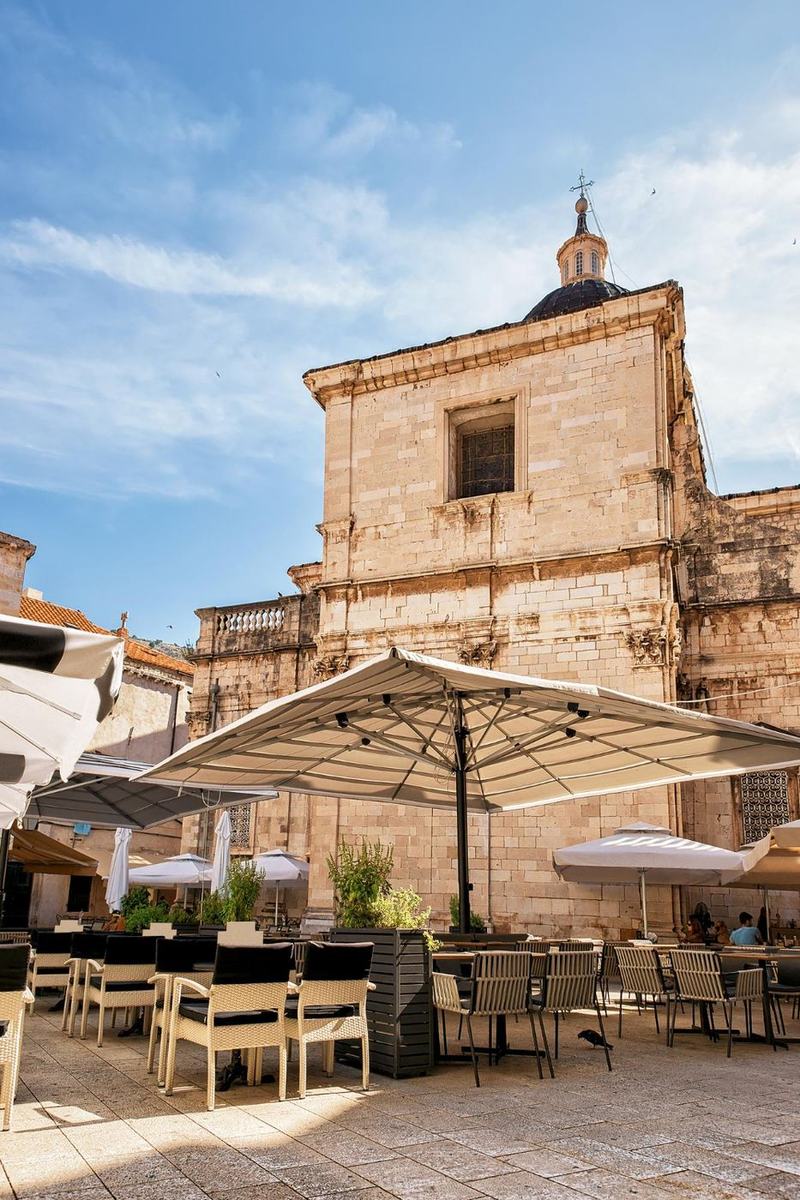
Coffee in Croatia is not a drink, it is an event. Locals meet for kava whenever they can and linger for an hour or two, chatting on a terrace while one small espresso slowly goes cold. You will not be rushed, and the check arrives only when you request it. Saying let us have a coffee typically means let us catch up properly, not a quick caffeine stop.
Order a kava s mlijekom for coffee with milk, a produženi for a longer espresso or a bijela kava for a milky version similar to a latte. Coffee to go exists in big towns, yet sitting down is still the norm, and the price on a terrace is modest.
Meal times adapt to the heat. Breakfast is light, mostly just coffee and a pastry from the bakery. Lunch is the main meal for many families, traditionally around two or three in the afternoon, while dinner in summer starts late, rarely before eight. Many restaurants offer a cheaper set menu at lunchtime, called marenda on the coast and gablec in the north, a great way to eat well on a budget.
A word about smoking. Croatians smoke more than many Western Europeans, and terraces are often full of cigarette smoke. Indoor smoking is banned in most eateries, yet outdoor seating is fair game, so choose a table upwind if it bothers you.
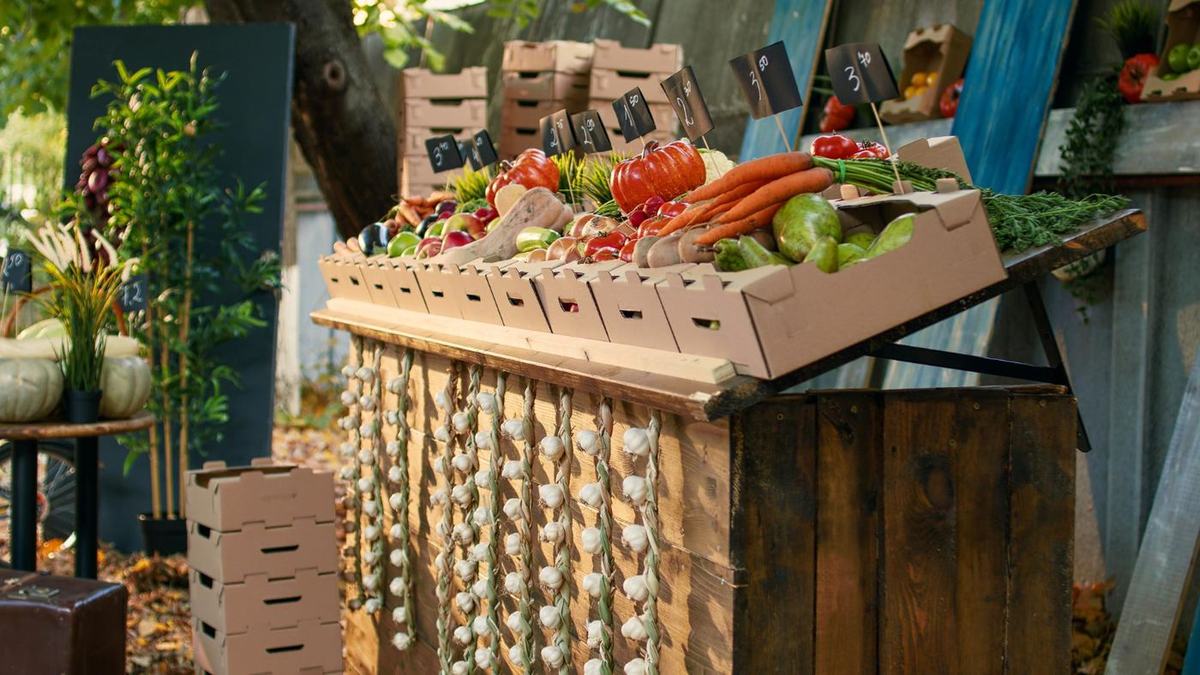
The freshest produce is found at the green market, the pijaca or plac, open from dawn to roughly one o’clock. Locals shop at sunrise for fruit, vegetables, cheese and eggs, and many remain loyal to one seller for years. Taste before buying, it is expected, and prices are fixed for small amounts. Fish markets work the same way, with the best catch gone by ten.
If you love learning where ingredients come from, look for producers who welcome visitors. On the island of Pag, for example, you can spend a few hours in the salt pans learning how it is harvested, and plant based organic kitchens are appearing in cities too. Several of these activities are listed among these salt field mornings and gastronomy experiences in Croatia.
Shops obey new rules on Sundays. Since 2023, most supermarkets and stores stay closed on Sundays except for a limited number of dates each year, though bakeries, petrol station shops and some corner stores keep trading. Plan groceries on Saturday, especially on islands.
Sunday itself is for family lunch. Streets go quiet in the afternoon, so avoid phoning anyone then unless it is urgent. Many Croatians also take a short rest after lunch in summer, so lower your voice near apartment buildings between two and five.
On ferries, locals arrive ahead of time, buy tickets at the kiosk and wait patiently in line, often chatting with neighbors. Car drivers must follow port staff instructions precisely, and foot passengers board after cars or through a separate entrance. During the crossing, head to the upper deck for fresh air and views, but give up the windward side to others in strong wind.
On beaches, remember that most are public by law, even in front of hotels. Locals carry their own towels, umbrellas and snacks, and they leave the beach clean. Topless sunbathing is unusual outside designated areas, while naturist beaches are clearly marked. Several coastal towns, including Split and Hvar, fine anyone who walks through the center in swimwear, so cover up when leaving the sand.
Greetings matter everywhere. Say dobar dan when entering a shop, hvala when leaving and molim when asking for something. In villages, residents greet strangers on the street, and responding with a smile builds instant goodwill. When invited into a home, take a little gift such as chocolates or wine, and you will be offered snacks and drinks, which is polite to accept at least partly.
Tipping follows a simple logic. Round up in cafés, leave roughly ten percent in restaurants for good service and give something extra to guides or boat skippers who made your day special. Nobody expects a tip for poor service. Above all, relax. Croatians value time with family and friends more than speed, and guests who adapt to that pace enjoy Croatia most. For more insider ideas, read our guide to where locals eat in Croatia, discover local wine bars in Croatia and explore the Local Food Spots section.